
How to Save More Money Shopping Online Using Coupons and Deals
Online shopping has quietly turned into a game of patience and timing. Prices shift by the day, sometimes by the hour, and the difference between paying full price and paying half price often comes down to whether you paused for two extra minutes before hitting “buy now.” That pause is where coupons and deals come in.
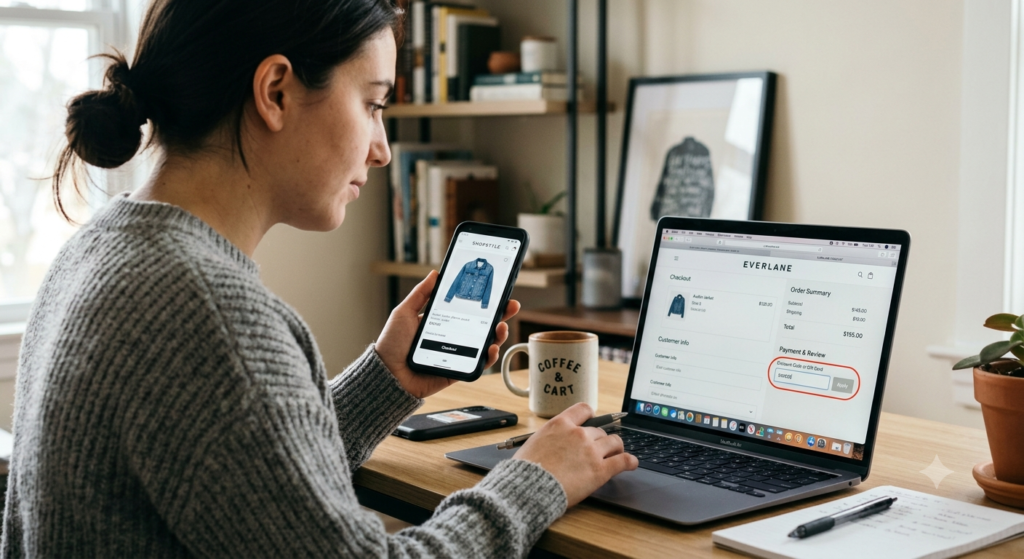
By mid-2026, searching for a discount code before checkout has become such a normal habit that most shoppers do it without thinking twice. Retailers know this, and many have built entire pricing strategies around the assumption that a meaningful chunk of their customers will look for a coupon before finishing an order. If you are not doing the same, you are likely leaving money on the table every time you shop online.
This guide walks through practical, current ways to save more money shopping online using coupons and deals, from the basics of finding legitimate codes to the newer tactics shaped by mobile apps, browser extensions, and social commerce.
Why Coupons and Deals Still Matter in 2026
It would be easy to assume that with so much price transparency online, coupons would matter less than they used to. Instead, digital coupons have become a regular part of the online shopping experience, with retailers using targeted promotions, personalized offers, and limited-time discounts to encourage purchases. For shoppers, checking for a coupon or promo code before completing an order has become a simple way to look for additional savings. As online retailers continue to compete for price-conscious customers, coupons and deals remain an important part of how shoppers compare offers and decide when to buy.
A few things are driving this shift.
- Mobile-first shopping. Mobile shopping has become a major part of online retail, pushing retailers toward app-only deals, push-notification flash sales, and one-tap checkout discounts.
- Social commerce. Platforms like TikTok Shop, Instagram, and Facebook groups have become genuine discovery channels for deals, not just for products. Live shopping events, in particular, often include time-limited discount codes.
- Loyalty and repeat business. Research on shopper behavior consistently shows that people are more likely to buy again from a brand that offers discounts and more likely to try a new brand because of a coupon.
- Rising price sensitivity. With household budgets under pressure, more shoppers are treating coupon hunting as a normal part of the buying process rather than an occasional bonus.
None of this means you need to spend hours hunting for savings. It means a small, consistent set of habits can add up to real money saved over a year of online shopping.
What follows is not a list of gimmicks or one-time tricks that stop working after a season. These are habits that hold up regardless of which retailer you are shopping with, which device you are using, or which social platform happens to be trending this month. Some of them take thirty seconds. Others are more like small shifts in how you think about a purchase before you make it. Together, they are the difference between shopping reactively and shopping in a way that consistently works in your favor.
Understand the Different Types of Online Discounts
Before diving into strategy, it helps to know what you are actually looking for. Not all “deals” work the same way, and knowing the differences helps you spot the best one quickly.
Coupon Codes
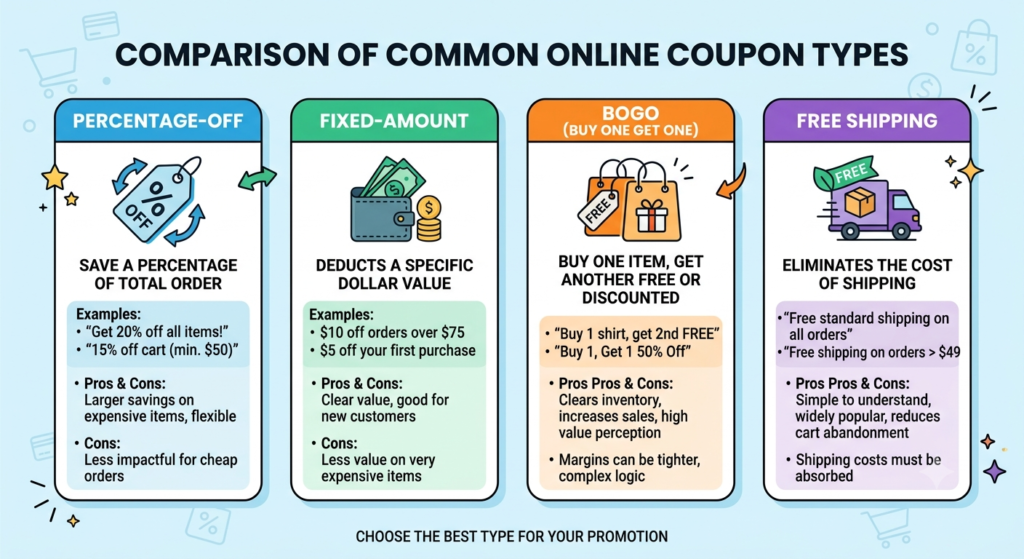
These are alphanumeric codes entered at checkout, typically offering a percentage off, a fixed dollar amount off, or free shipping. They are the most common and most searched-for type of online discount.
Automatic Discounts and Sales
Some savings are applied automatically once you add an item to your cart or meet a spending threshold, no code required. These are often labeled “sale,” “clearance,” or “deal of the day.”
Cashback Offers
Rather than reducing the price at checkout, cashback returns a percentage of your purchase after the transaction, usually through a browser extension or shopping app. It can be combined with a coupon code in many cases.
Loyalty and Membership Discounts
Many retailers offer better pricing, early access to sales, or free shipping to members of a loyalty program or paid membership. These usually come with a trade-off of sharing more personal data or paying a subscription fee.
App-Exclusive Deals
An increasing number of retailers reserve their best discounts for shoppers who use their mobile app instead of the website. These deals often beat the standard site-wide coupon, but they can expire quickly and rely on push notifications.
Knowing these categories matters because the “best deal” is not always the flashiest one. A 15 percent coupon code might look less exciting than a bold “50% OFF” sale banner, but if that sale banner only applies after you spend a threshold you were not planning to reach, the coupon code is the better deal in practice. Getting comfortable reading past the headline discount and into the actual terms is one of the simplest ways to avoid a false bargain.
Where to Find Legitimate Coupons and Deals
The internet is full of outdated or fake coupon codes, so knowing where to look matters as much as knowing how to search. Here are the sources worth checking regularly.
1. Coupon and Deals Websites
Dedicated coupon sites aggregate active codes from thousands of retailers and are often updated multiple times a day. Look for sites that show when a code was last verified or used successfully, since that is a strong signal it still works.
2. Browser Extensions
Coupon-finding browser extensions automatically test available codes at checkout and often apply a working discount for you. They save time, but it’s still worth confirming the discount actually applied before you pay, since extensions don’t always catch every valid code.
3. Retailer Email Newsletters
Email remains one of the most effective channels for coupon discovery. Signing up for a retailer’s newsletter, especially right before a purchase, often triggers a welcome discount within minutes.
4. Store Apps and Push Notifications
If you shop with a retailer regularly, downloading their app and turning on notifications can surface app-only flash sales you would otherwise miss.
5. Social Media and Influencer Codes
Brands frequently partner with creators to distribute unique discount codes. These can offer solid savings, but treat any urgency messaging (countdown timers, “only 3 left”) with a healthy dose of skepticism. Screenshot the product, then check the price on the main site with your own coupon search before buying.
6. Cashback and Rewards Portals
Some shopping portals offer a percentage of your purchase back as cashback or points, on top of any coupon you use. Activating cashback before you shop, rather than after, is usually required for it to count.
7. Price Tracking and Alert Tools
Tools that track a product’s price history can tell you whether a “deal” is actually a good one or just a marked-up price with a discount slapped on top. This is especially useful during major sales events.
8. Retailer Live Chat and Customer Service
This one gets overlooked constantly. If you are about to abandon a cart because you could not find a working code, it sometimes helps to ask a retailer’s live chat support whether any current promotion applies to your order. It will not work everywhere, but for retailers that value customer retention, a support representative may be able to apply a discount or point you toward an active promotion you missed.
Smart Strategies to Maximize Your Savings
Finding a coupon is only part of the equation. The bigger savings usually come from combining tactics and being deliberate about timing.
Stack Discounts Where Allowed
Some retailers allow you to combine a coupon code with a sitewide sale, a loyalty discount, and cashback all in the same order. Always check the terms of a coupon to see if it is restricted to “one per order” or excludes sale items, since stacking rules vary widely by store.
Time Your Purchases Around Sales Cycles
Many product categories follow predictable discount patterns. Electronics tend to drop around major shopping holidays, clothing goes on clearance at the end of a season, and household goods often see periodic flash sales. If a purchase is not urgent, waiting a few weeks for a known sales window can be worth more than any single coupon code.
Use Abandoned Cart Behavior to Your Advantage
Adding items to your cart and stepping away sometimes triggers a reminder or promotional email from the retailer. This does not work everywhere, so treat it as a possible bonus rather than a strategy you can rely on.
A 20 percent off coupon is not much of a deal if the base price is higher than a competitor’s regular price. Quickly checking two or three retailers before applying any code helps confirm you are actually getting the best total price, not just the best-looking discount.
Read the Fine Print on Expiration and Exclusions
Coupons commonly exclude certain brands, categories, or already-discounted items. Checking the terms before you build a full cart saves the frustration of a code failing at checkout.
Set Price Drop and Restock Alerts
For items you want but are not ready to buy immediately, price tracking tools can notify you when the price falls or a coupon becomes available, so you are not stuck manually checking every few days.
Join Loyalty Programs Selectively
Loyalty programs can be genuinely useful, but signing up for every single one dilutes their value and clutters your inbox. Focus on the two or three retailers you actually shop with often, and treat the rest as optional rather than something you need to collect.
Take Advantage of Free Shipping Thresholds Wisely
Free shipping offers are one of the most common types of online deals, but they can also be one of the easiest ways to accidentally spend more than you planned. If a retailer offers free shipping over a certain amount and you are just a few dollars short, it is worth pausing to ask whether adding another item genuinely makes sense, or whether paying a small shipping fee on a smaller order actually works out cheaper overall. Doing the quick math before adding an extra item to your cart avoids the common trap of spending five dollars more to save three dollars in shipping.
Keep a Running List of Codes That Have Worked Before
Retailers often reuse similar discount structures for repeat customers, such as a recurring 10 percent off code for newsletter subscribers or a seasonal sale that follows a predictable pattern each year. Keeping a simple note of codes and sales that have worked for stores you shop with regularly can save you from starting the search from scratch every time.
Mobile Apps, Browser Extensions, and Social Commerce in 2026
The way people find deals has changed noticeably over the past couple of years, and it is worth understanding the current landscape so you are not relying on outdated habits.
Mobile Has Taken Over Deal Hunting
The majority of online purchases now happen on mobile devices, and retailers have responded with mobile-first checkout experiences, one-tap payments, and app-exclusive pricing. If you are still doing most of your shopping on desktop, it is worth checking whether the retailer’s app offers a better deal on the same item.
TikTok Shop and Live Shopping
Social commerce, particularly through platforms like TikTok Shop, has become a real force in categories like fashion, beauty, and home goods. Live shopping events often use countdown timers and limited-quantity offers to create urgency. These deals can be legitimate, but the pressure tactics are designed to make you buy quickly without comparing prices. A simple habit that helps: note the product name, close the livestream, and search for it directly along with the word “coupon” before purchasing.
Cross-Platform Deal Aggregators
Because deals are now scattered across retailer sites, apps, email, and social media, browser extensions and aggregator tools that pull discounts from multiple sources into one place have become more valuable, simply because manually checking every channel is no longer realistic for most people.
Sustainability-Linked Offers
A growing number of shoppers factor sustainability into buying decisions, and some retailers now offer discounts tied to eco-friendly choices, such as opting for slower shipping or bringing back packaging. These offers are worth watching if sustainability is already a priority for you, though they should not replace comparing the actual price.
Voice Search and AI Shopping Assistants
Another shift worth noting is how people are searching for deals in the first place. Major retailers have begun rolling out AI-powered shopping assistants (for example, Amazon’s “Alexa for Shopping” in 2026) that can answer questions like “what’s a good deal on wireless headphones” and suggest products. Adoption is still growing, so these tools are best used as a starting point. If you use them, it is still worth verifying any suggested deal directly on the retailer’s site before checking out, since availability and pricing can change quickly.
Common Coupon Mistakes That Cost You Money
Even experienced deal hunters fall into a few avoidable traps. Watching for these can protect both your wallet and your personal information.
- Buying something you did not need just because of a discount. A coupon only saves money if the purchase was already planned. Research on shopper behavior shows a meaningful share of people end up spending more than intended when a coupon is involved, particularly younger shoppers.
- Trusting expired or unverified codes. Codes shared in old blog comments or outdated posts often no longer work. Stick to sources that show recent verification dates.
- Entering payment details on unfamiliar coupon sites. Legitimate coupon and deal sites never need your card number or bank details to show you a code. Treat any site asking for that information as a red flag.
- Ignoring exclusions on sale items. Many coupons explicitly exclude clearance or already-discounted products, so double-check before assuming a code will apply.
- Chasing urgency instead of value. Countdown timers and “only a few left” messages are designed to short-circuit price comparison. A quick pause to check elsewhere rarely costs you the deal.
- Forgetting to activate cashback before shopping. Most cashback portals require you to click through their link before adding items to your cart, not after.
How Coupon and Deal Websites Actually Work
It helps to understand what is happening behind the scenes when you use a coupon or deals website, since it explains both why these sites exist and why the codes they list are not always guaranteed to work. Most coupon sites earn revenue through affiliate partnerships with retailers, meaning they receive a small commission when a shopper clicks through and makes a purchase. This is generally a good thing for you as a shopper, since it means the site has no reason to charge you for access and every incentive to keep its coupon listings accurate, current, and easy to search, because outdated codes drive visitors away.
That said, retailers control when a code goes live and when it expires, and that information does not always reach coupon sites instantly. This is why checking for a recent verification date, a “last used” indicator, or user comments confirming a code still works can save you the frustration of trying several dead codes before finding one that applies. A well-maintained coupon site will usually make this information easy to spot rather than burying it.
Building a Simple Routine That Actually Saves Money
Consistency matters more than any single trick. A workable routine looks something like this:
Before You Shop
- Add the product to a wishlist or price tracker if it is not an urgent purchase.
- Check whether the retailer has an app with exclusive pricing.
- Look up the store on a trusted coupon site.
At Checkout
- Let a browser extension test available codes, or manually try one or two from a coupon site.
- Confirm the discount actually applied to your total, not just to the shown code.
- Activate any applicable cashback before finalizing payment.
After You Buy
- Save the receipt in case the retailer offers a price-drop or price-match policy. These policies are not universal, so check the store’s terms before relying on a post-purchase adjustment.
- Note which coupon source actually worked, so you know where to check first next time.
Over months, this kind of routine is what turns occasional lucky discounts into a reliable, ongoing reduction in what you spend online.
- Assuming a bigger discount percentage always means bigger savings. A 30 percent coupon on an inflated price can end up costing more than a 10 percent coupon on a fairly priced item elsewhere. The percentage on the banner is not the number that matters. The final total is.
- Sharing personal information for a coupon you do not need. Some pop-ups request an email address, phone number, or even a birthday in exchange for a small discount. If you do not plan to shop with that retailer again, weigh whether the discount is worth the extra marketing messages that usually follow.
A Quick Comparison of Popular Ways to Find Deals
| Method | Best For | Things to Watch For |
|---|---|---|
| Coupon and deal websites | Finding sitewide promo codes quickly | Check for a recent verification date |
| Browser extensions | Automatically testing codes at checkout | Confirm the discount was actually applied |
| Retailer apps | App-exclusive flash sales | Deals may expire quickly |
| Cashback portals | Earning money back on planned purchases | Must be activated before shopping |
| Email newsletters | First-purchase and loyalty discounts | Can lead to more marketing emails |
| Social media and live shopping | Discovering trending products and creator codes | Watch for artificial urgency tactics |
Frequently Asked Questions
Are online coupon codes actually safe to use?
Generally, yes, as long as you get them from a reputable coupon site, the retailer’s own email or app, or a verified creator partnership. Legitimate coupon codes never require you to enter payment or banking details just to reveal the code. Be cautious of codes shared through unfamiliar pop-ups or sites that ask for excessive personal information before showing a discount.
Why do some coupon codes not work at checkout?
Common reasons include the code being expired, restricted to certain products, limited to new customers, or excluded from sale items. It is also possible the code was already used up if it had a limited redemption cap. Trying a second or third code from a recently updated source often solves this.
Can I combine multiple discounts on one order?
It depends on the retailer’s own policy. Some allow stacking a coupon code with a sitewide sale and cashback, while others limit orders to a single discount. Checking the terms attached to a specific coupon before checkout is the most reliable way to know.
Is it worth installing a browser extension for coupons?
For frequent online shoppers, a coupon-testing browser extension can save time by automatically trying multiple codes at checkout. It is still worth double-checking that the applied discount is the best available, since extensions do not always catch every valid code, and comparing the final price against a couple of other retailers is a good habit either way.
Do cashback apps and coupon codes work together?
In many cases, yes. Cashback typically applies after checkout and can often be used alongside a coupon code applied during checkout, as long as the retailer does not have a specific exclusion in place. Activating cashback before adding items to your cart is usually necessary for it to be tracked correctly.
What is the best time of year to find the biggest discounts?
Major shopping holidays tend to bring the deepest sitewide discounts, but many categories also have their own natural discount windows, such as clothing at end-of-season clearance or electronics around new model release cycles. Using a price tracking tool can help you spot whether a current deal is genuinely a good one compared to the item’s price history.
How can I avoid impulse buying because of a coupon?
A simple rule that works for many shoppers is to only apply a coupon to items already on a planned shopping list, rather than browsing sales pages and buying whatever has a discount attached. If a coupon is about to expire and tempts you toward an unplanned purchase, it is usually fine to let it go.
Final Thoughts
Saving money shopping online in 2026 is less about finding one perfect discount code and more about building a handful of small habits: checking a trusted coupon source before checkout, comparing prices across a couple of retailers, activating cashback when it is available, and staying alert to app-only or social media deals without letting urgency tactics rush your decision.
None of these steps take much time individually, but done consistently, they add up to real savings across a year of online purchases. The shoppers who save the most are rarely the ones chasing every flash sale. They are the ones who have made a quick coupon check a normal, unremarkable part of how they shop.

Comments (0)