
Thrift Store Shopping Tips: How to Find Hidden Fashion Gems
Your complete, no-nonsense beginner guide to scoring stylish, affordable secondhand fashion — without wasting time or money.
Thrift stores are one of the best-kept secrets in the fashion world. While most people rush to fast-fashion retailers and overpay for flimsy clothing that falls apart after ten washes, savvy shoppers know that the real treasures are hiding on secondhand racks — often for a fraction of the original price. Whether you’re a thrifting newbie or a seasoned reseller, this guide covers every strategy you need to shop smarter, faster, and far more stylishly.
Thrift store shopping has exploded in popularity over the past decade, and for good reason. It’s not just about saving money — it’s about developing a personal style that’s genuinely your own, reducing textile waste, and discovering quality craftsmanship that modern fast fashion simply can’t replicate. In this beginner guide, we’ll walk you through everything: why thrift shopping is worth your time, when to go, what to look for, which stores to target, and the common mistakes that waste your time and budget.
Why thrift shopping is worth every minute
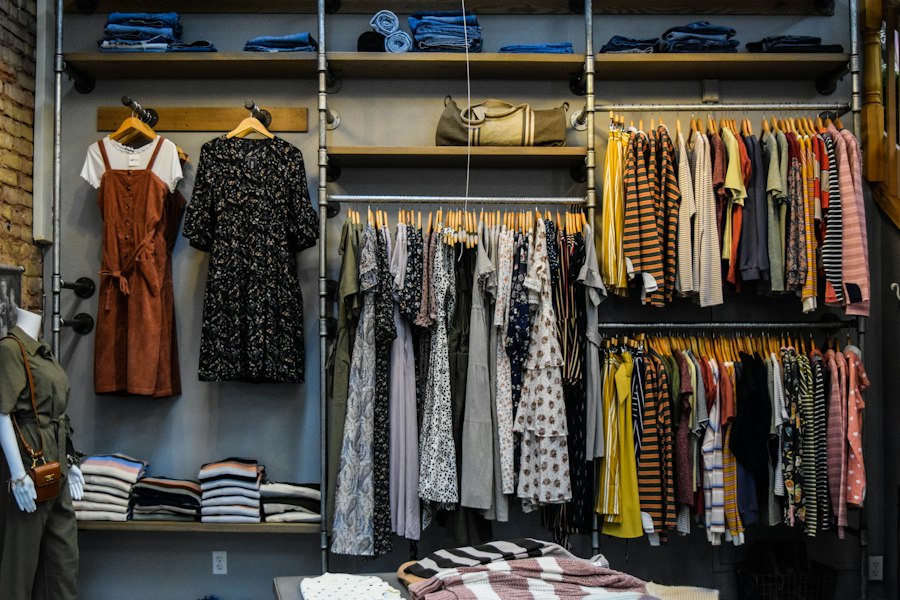
Thrift stores often hold quality, barely-worn pieces waiting to be discovered.
Let’s start with the obvious: thrift shopping saves you significant money. A blazer that originally retailed for $120 might cost you $8 at your local Goodwill or charity shop. A pair of quality leather boots that sold for $200 might be waiting for you at $14. The savings are real, and they compound fast once you make thrifting a regular habit.
But the benefits go far beyond price. When you shop secondhand, you’re building a wardrobe that’s genuinely yours. You won’t show up to an event wearing the same dress as three other guests. You’ll find unique vintage silhouettes, well-constructed older garments made before quality standards declined, and brand-name items at a fraction of their original cost — all while reducing the environmental impact of your clothing consumption.
The global fashion industry is one of the world’s largest polluters. By choosing secondhand, you’re not buying into that cycle. Even if sustainability isn’t your primary motivation, the side effect of building a killer wardrobe on a budget while doing so responsibly is genuinely hard to argue with.
The average thrift store item costs 90% less than its original retail price. The secondhand clothing market is now growing three times faster than the global apparel market overall, and is expected to reach $350 billion by 2028.
Want to thrift online from home? ThredUp, Depop, and Poshmark offer thousands of secondhand fashion items shipped straight to your door — often at the same prices as in-store.
Best time to visit a thrift store for secondhand clothing
One of the most underrated thrift shopping tips is knowing when to show up. Not all days are equal, and visiting at the right time can be the difference between finding a rack full of fresh donations and picking through items everyone else has already rejected.
Best days for thrift shopping
Most charity shops and thrift stores restock their floor inventory at the beginning of the week — typically Monday through Wednesday. This is because donation drop-offs happen heavily over the weekend, giving staff time to sort and price items before putting them out on Monday or Tuesday morning. For first pick of the freshest secondhand clothing, visit on Tuesday or Wednesday morning when footfall is still low but restocking is complete.
Colour tag sale days
Many thrift chains use a colour-coded tag system where certain colours are marked down by 50% or more on rotating sale days. If you know the schedule at your local store, you can plan visits specifically around these markdowns for maximum savings. Ask a staff member or check the store’s social media page to find out which colour tag is discounted this week.
Seasonal transition windows
The best times to find quality secondhand clothing donations are during seasonal transitions. Early autumn and early spring are when people clear out their wardrobes and donate last season’s items en masse. You’ll find coats, knitwear, and boots flooding in during September and October, and summer dresses, linen trousers, and sandals in abundance come March and April.
Set a calendar reminder for the first week of October and the first week of April. These are the single best thrift shopping windows of the year, and consistent visits during these periods will dramatically improve the quality of your finds.
8 essential thrift store shopping tips for beginners
The difference between an experienced thrifter and a frustrated first-timer often comes down to a handful of habits and strategies. Here are the techniques that consistently produce the best results across every type of thrift store.
Tip 01: Go on restock days
Tip 02: Check every section thoroughly
Tip 03: Inspect fabric labels first
Tip 04: Always try things on
Tip 05: Think beyond current trends
Tip 06: Check for damage immediately
Tip 07: Never skip the accessories aisle
Tip 08: Go in with a list
Best items to buy at thrift stores: what to look for
Vintage denim is one of the most consistently rewarding categories at any thrift store.
Not all clothing categories thrift equally well. Some items hold up beautifully over time and are consistently worth buying secondhand. Others tend to look worn or dated regardless of price. Here’s where to focus your attention when thrift shopping for fashion.
Vintage denim — the thrift store jackpot
Vintage denim is arguably the single best category in any thrift store. Jeans, jackets, and shirts made before the late 1990s were typically constructed from heavier, denser fabric with better stitching than almost anything available today at any price. If you find a pair of Levi’s 501s or a Lee denim jacket from the 80s or 90s, buy them immediately — they will last decades and improve with every wash.
Blazers and structured jackets
A well-made blazer is one of the most versatile wardrobe investments possible. Quality structured jackets hold their shape through years of wear and can instantly elevate casual outfits or anchor a professional look. When thrift shopping for blazers, look for fully lined interiors, natural fabrics such as wool, wool-blend, or cotton twill, and clean lapels without fraying.
Leather goods
Genuine leather only improves with age. Thrift stores regularly stock leather belts, bags, shoes, and jackets that would cost hundreds new but sell for a fraction secondhand. Quality leather develops a rich patina that no new item can replicate. Look for full-grain or top-grain leather, and don’t be put off by minor scuffs — a good leather conditioner will restore most pieces to excellent condition.
Knitwear and wool pieces
Natural fibre knitwear — merino wool, cashmere, lambswool — is extraordinarily expensive to buy new but turns up at thrift stores regularly for just a few dollars. Check for moth holes and significant pilling, but don’t be deterred by minor surface pilling alone: a fabric shaver can restore a cashmere sweater to near-new condition in minutes. A genuine cashmere jumper for $6 is among the best deals in all of thrifting.
Accessories
The accessories section is consistently underrated by new thrifters. Silk scarves, leather belts, vintage brooches, gold-tone jewellery, and quality handbags are all frequently donated in excellent condition. A single vintage silk scarf can transform five different outfits. At thrift store prices, building a genuinely excellent accessories collection costs almost nothing.
- Vintage denim jeans & jackets
- Wool and cashmere knitwear
- Structured blazers & sport coats
- Leather belts, bags & shoes
- Silk & printed scarves
- Vintage jewellery
- Oxford and button-down shirts
- Trench coats
- Leather boots & loafers
- Linen trousers & shirts
Can’t find what you need locally? Depop and Vestiaire Collective are the top platforms for buying vintage and secondhand fashion online, with thousands of verified listings updated daily.
Where to thrift shop: choosing the right secondhand stores
Not all thrift stores are equal. Understanding the key differences between store types will save you significant time and consistently improve your results when hunting for secondhand fashion.
| Store Type | Best For | Price Level | Quality |
|---|---|---|---|
| Charity shops (upscale areas) | Designer labels, quality brands | Low–Mid | High |
| Goodwill / Salvation Army | Volume finds, denim, basics | Very Low | Variable |
| Estate sale shops | Vintage, jewellery, leather goods | Low–Mid | High |
| Consignment stores | Curated, pre-vetted pieces | Mid | Very High |
| Online thrift (Depop, ThredUp) | Specific styles, rare vintage finds | Low–Mid | Varies |
One of the most reliable thrift shopping strategies is to target charity stores in wealthier neighbourhoods. Donors in these areas frequently give away barely-worn, high-quality, and sometimes genuinely designer items — while shop prices stay identical to stores elsewhere. A short drive to a charity shop in a more affluent suburb can dramatically outperform a store closer to home in terms of quality of finds.
Search Google Maps for “charity shop” or “thrift store” in postcodes or zip codes associated with higher-income areas near you. Sort by distance and plan a dedicated route hitting three or four stores in a single visit for the best chance of finding premium secondhand pieces.
Step-by-step thrift shopping process for beginners
Having a consistent process when you walk into a thrift store helps you cover the floor efficiently without becoming overwhelmed. This is the method experienced thrifters use to consistently find great secondhand pieces while avoiding wasted time.
1) Do a quick lap first
Walk the entire store without picking anything up. This gives you an overview of what’s available and helps you identify the most promising sections before committing time to any single rack.
2) Start with outerwear and knitwear
These sections hold the highest value items per square foot. Quality coats and knitwear are expensive new and hold up well secondhand. Give them disproportionate attention relative to their size.
3) Work through tops and bottoms systematically
Slide items quickly along the rack and pull anything that catches your attention. Don’t agonize at the rack — pull it and decide in the fitting room. First impressions are usually right.
4) Browse accessories last
Belts, scarves, jewellery, and bags don’t require trying on and can be assessed quickly. Check accessories after clothing so you don’t waste prime shopping energy on smaller items.
5) Edit your pile ruthlessly in the fitting room
Take everything you’ve pulled and try it all. If it doesn’t fit perfectly or feel genuinely great on, put it back. The value of thrift prices disappears once you own things you never actually wear.
6) Wash everything before wearing
This should go without saying, but wash everything — including items labelled dry-clean-only where appropriate — before it enters your wardrobe rotation. Always, without exception.
Thrift shopping dos and don’ts every beginner should know
Do this
Avoid this
Thrift shopping and sustainability: the bigger picture
Buying secondhand extends a garment’s life and reduces fashion’s environmental footprint.
The fashion industry accounts for roughly 10% of global carbon emissions and is one of the largest consumers of freshwater worldwide. Fast fashion has accelerated a cycle of overproduction and rapid disposal that has filled landfills with clothing at unprecedented rates — an estimated 92 million tonnes of textile waste per year globally.
When you buy secondhand, you’re extending the usable life of a garment that already exists. You’re not creating demand for new production, new water consumption, or new chemical dyeing processes. Every item you buy at a thrift store is one item that didn’t need to be manufactured, shipped internationally, and — after a few months — discarded.
For budget-conscious shoppers, this alignment between frugality and environmental responsibility is one of the most satisfying aspects of building a thrift-store wardrobe. You’re not compromising to shop ethically. Being a responsible consumer is simply the natural by-product of shopping smart.
Buying one secondhand item instead of a new equivalent saves an average of 2.5 lbs of CO₂ emissions, 13 gallons of water, and reduces waste by 0.03 lbs. Over a year of regular thrift shopping, those numbers become genuinely meaningful.
If sustainability is a priority for you, also read our guide to affordable sustainable fashion brands in 2026 — many of which complement a secondhand wardrobe perfectly.
Final thoughts: patience is the real secret to great thrift finds
More than any tip, strategy, or store recommendation in this guide, the single biggest factor separating great thrifters from frustrated ones is patience. Thrift store shopping doesn’t always deliver on the first visit, or the second, or even the fifth. But it consistently rewards those who show up regularly, look carefully, and trust that the right pieces will appear.
Start small. Set a $20 budget for your first few visits and give yourself permission to leave empty-handed without feeling like you’ve wasted your time. Each visit teaches you how that particular store is organized, what tends to come in, and what to look for. Over time, you’ll develop an instinct that makes great finds feel almost automatic.
The most enviable, stylish wardrobes are rarely built in a single shopping spree. They’re built slowly, deliberately, and thoughtfully — one exceptional piece at a time. Thrift stores are one of the best places in the world to do exactly that.
Frequently asked questions about thrift store shopping
Is thrift shopping actually worth it?
Yes, absolutely. Most thrift store items cost 90% less than their original retail price, and you’ll regularly find quality brand-name pieces that last far longer than fast fashion alternatives. With the right strategy and regular visits, thrifting can save hundreds of dollars per year while building a more unique and durable wardrobe.
What is the best day to go thrift shopping?
Tuesday and Wednesday mornings are generally the best days. Most thrift stores and charity shops restock after the weekend’s donations, so visiting early in the week gives you access to the freshest inventory before other shoppers pick through it.
What are the best items to buy at thrift stores?
The best thrift store categories include vintage denim (jeans and jackets), wool and cashmere knitwear, genuine leather goods (bags, belts, shoes), structured blazers, silk scarves, and vintage jewellery. These items hold up well over time, thrift at excellent prices, and deliver disproportionate value compared to their secondhand cost.
How do I find designer items at thrift stores?
Visit charity shops and thrift stores in wealthier neighbourhoods. Donors in these areas frequently give away barely-worn designer and premium brand items at the same low prices as any other donated piece. Always check inside collar and waistband labels for brand names — many premium pieces go unnoticed by staff and are priced generically.
Should I wash thrift store clothes before wearing them?
Yes, always. Wash every thrift store item before wearing it, regardless of how clean it appears. This is a basic hygiene step and should be non-negotiable with any secondhand purchase.
Ready to start your thrift journey?
Explore more budget fashion guides, brand-dupe roundups, and styling tips — all written for real shoppers on real budgets.
Comments (0)